Key pathophysiologic mechanisms include: Mucosal barrier dysfunction: Impaired epithelial tight junctions allow bacterial translocation, triggering innate immune activation T-helper cell dysregulation: Predominantly Th1 and Th17 pathways drive chronic inflammation via TNF-, IL-12, IL-23 the basis for biologic therapy targets Transmural inflammation: Unlike UC (mucosal only), CD involves all layers: mucosa submucosa muscularis propria serosa Granuloma formation: Non-caseating granulomas are pathognomonic but present in only ~3050% of biopsies Fibrosis and stricture: Chronic inflammation activates myofibroblasts collagen deposition luminal narrowing obstructive symptoms Fistula formation: Transmural ulcers penetrate serosa form sinus tracts connect to adjacent bowel, bladder, vagina, or skin 7
So why do they put this number on there - Marketing
the combination L-carnitine + L-lysine therefore has an increased activity (potentiating or synergistic effect) which can be explained by an increase in the bioavailability of L-carnitine, at the level of the target organs, muscles and myocardium
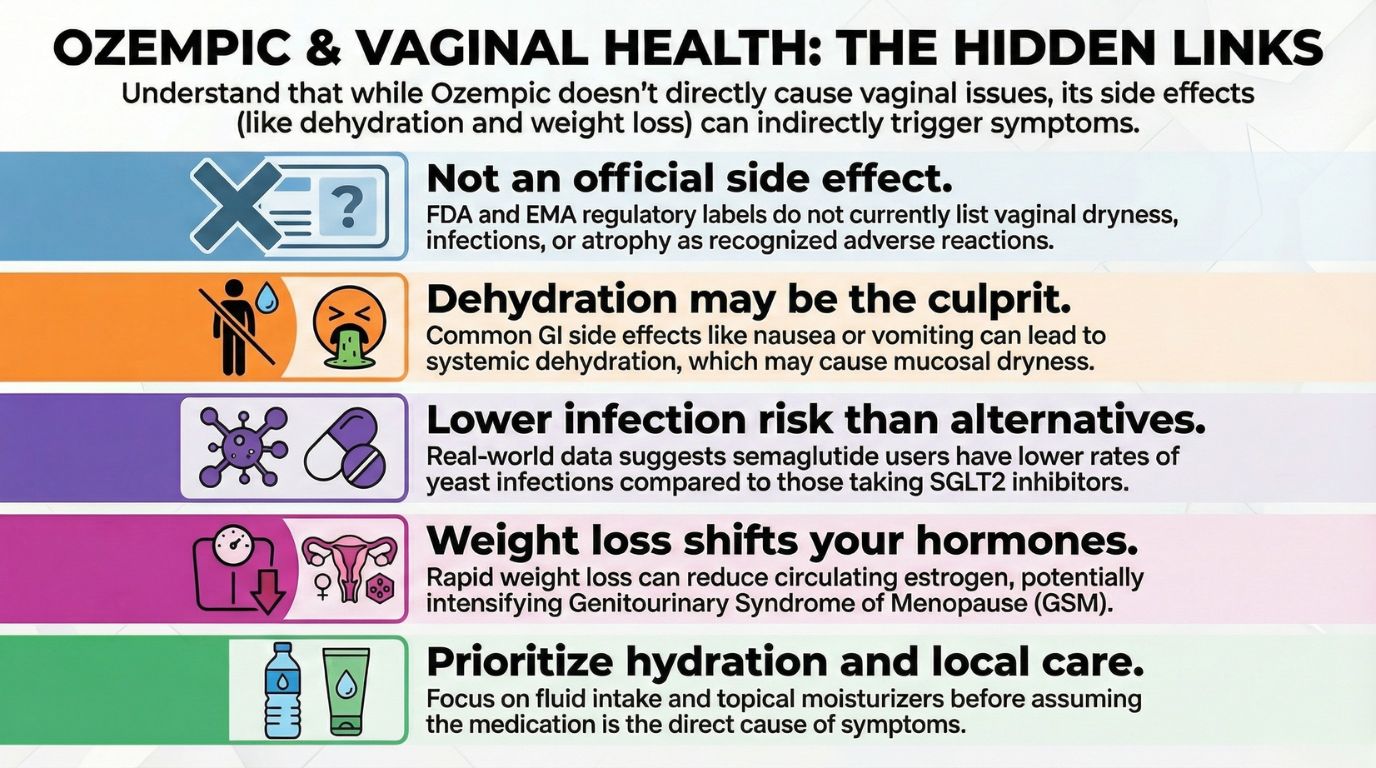
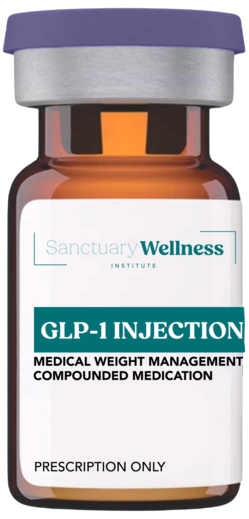
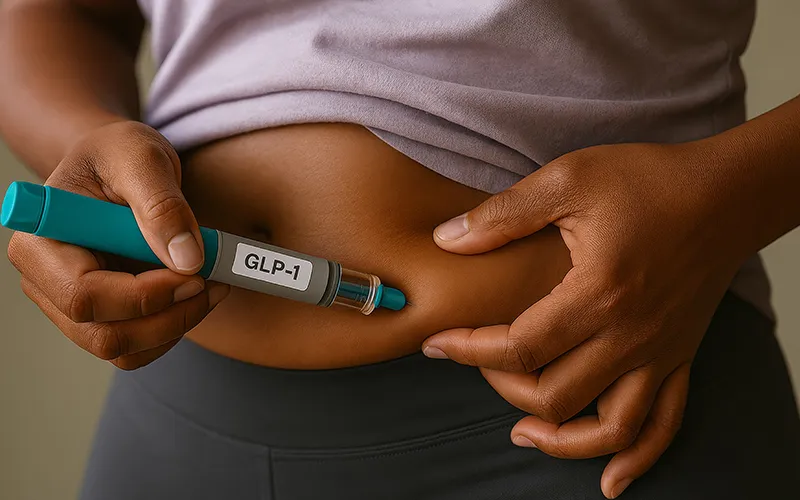
Nausea is a common side effect of GLP-1s and may make you want to eat plain carbohydrate foods like rice/bread/pasta instead of whole grain options
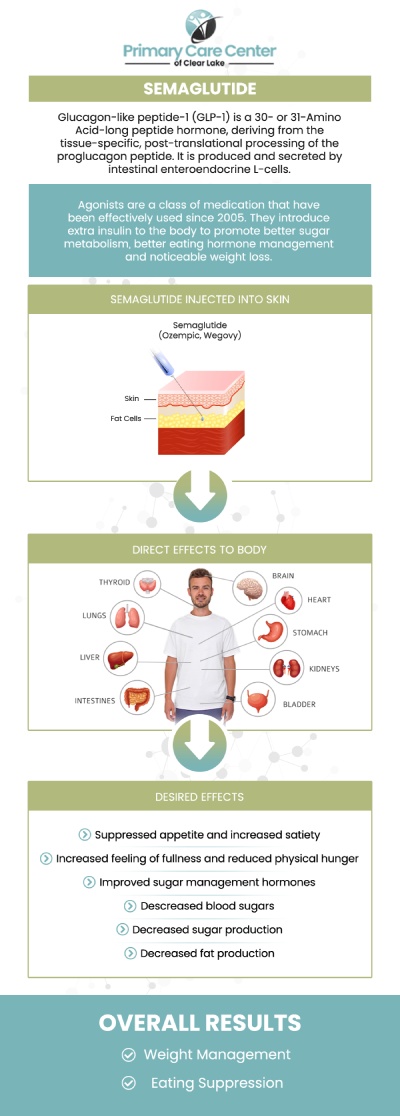
With Hepaglide, you can begin to see noticeable weight loss within 2-4 weeks, with more significant results after 8-12 weeks


















![Deoxys (16/107) (Theme Deck Exclusive) [EX: Deoxys] noPrice](https://cdn.shopify.com/s/files/1/0518/7613/5111/products/948dce9a-c1d8-4ff2-9281-de1951ce0d6d_8585adbd-5c7e-4c8b-bfe6-d52cd4037c41.jpg?v=1696315199)


![Absol (XY178) [XY: Black Star Promos] SM148](https://cdn.shopify.com/s/files/1/0518/7613/5111/files/ac41f2dd-81b7-43f5-86b7-721dbdb44f0c.png?v=1721852276)